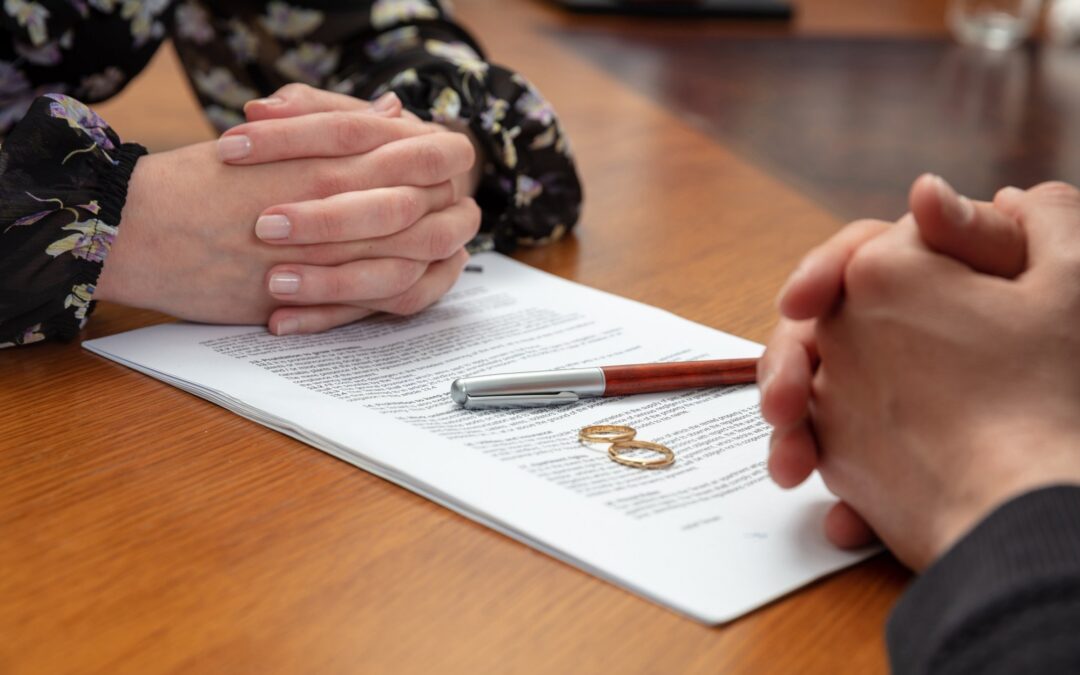
It’s not unusual for spouses who are having marital problems to have different opinions on what to do about them. Some may want to keep working on their issues, while others reach the point where they feel the marriage is over and divorce is the only option. If your spouse objects to a divorce, it makes the process more difficult but not impossible. You will just need to take some extra steps.
Do You Need Your Spouse’s Consent to Divorce?
Your spouse is not required to consent to divorce. New York is a no-fault state. You can file for divorce on the grounds that there has been an irretrievable breakdown in the relationship for a period of at least 6 months. You must also resolve all financial issues, including division of marital property and spousal support, as well as child support and custody where applicable. This can occur through negotiations or litigation.
How Can You Reduce Problems with Your Divorce?
While your spouse cannot force you to stay married, he or she can cause delays by refusing to respond to requests or negotiate. To minimize these difficulties, keep these tactics in mind:
- Don’t surprise your spouse with divorce papers. Let your spouse know that you want a divorce beforehand, even if you expect a bad reaction. It’s better to have the conversation upfront than have a stranger announce your divorce with a summons and complaint.
- Be sensitive. Don’t make threats or be accusatory. Stay calm and respectful of your spouse’s feelings. Fear, anxiety, anger and other negative emotions are common in divorce. Give your spouse some extra time to adjust to the idea of divorce, to the extent he or she doesn’t have similar feelings.
- Start with a letter. If your spouse objects to a divorce, have your attorney send a letter to your spouse indicating that he or she has been retained to represent you and that your spouse should have his or her attorney contact your attorney to negotiate an amicable divorce.
- File for divorce and consider your options for serving your spouse. Once you file, you will have to serve your spouse with divorce papers (i.e., a summons and complaint or summons with notice). You can do this in one of 3 ways: serve your spouse, your spouse’s attorney, or get a process server.
- Try to serve your spouse personally. It may help to personally hand-deliver the divorce papers. However, service is only valid if your spouse is willing to sign an acknowledgment of service and agrees not to contest service.
- Serve your spouse’s attorney. If your spouse refuses to sign the acknowledgement of service, you can also personally serve your spouse’s attorney if your spouse has one, and have the attorney sign the acknowledgement of service.
- Send a process server. If the previous options don’t work, you can get a process server to serve your spouse.
What Happens If Your Spouse Refuses to Respond to Divorce Papers?
Once your spouse is served, he or she must respond to the summons and complaint and provide the requested information. If your spouse is unresponsive, your attorney should file a request for a preliminary conference. A judge will issue an order requiring both parties to appear on a specified date and time. If your spouse doesn’t appear, he or she is in default of a court order, and the court will take appropriate action against your spouse.
Should You Delay Filing for Divorce?
You should be sensitive to your spouse, and a short delay may be helpful. You can still file for divorce and hold off serving your spouse with divorce papers for up to 120 days. However, a spouse who is very upset will likely remain so no matter when you start the divorce process. At some point, you need to move your life forward.
If you are considering a divorce and your spouse objects, talk with us about your concerns. We have helped many clients navigate these situations successfully. Contact us for a consultation.